5 Common Causes of Drywall Damage in Homes
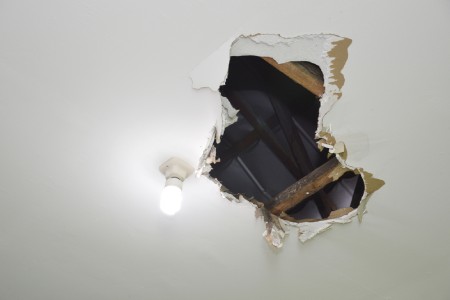
Drywall damage shows up in many ways, from small dents to soft, stained sections that hint at a bigger problem. In coastal communities like Fernandina Beach, warm summers, salty air, and passing storms can be tough on interior walls. If you spot trouble early, you can stop small issues from spreading and protect your home's comfort and value. When you need professional help, our team handles careful inspection and quality drywall repairs that blend in with your existing finishes.
1) Water Leaks and Coastal Humidity
Water is the number one enemy of drywall. Even a slow drip from a supply line or an air conditioner condensate issue can soak the gypsum core and weaken the paper face. In Fernandina Beach, summer humidity and salt-laden breezes make bathrooms, laundry rooms, and exterior wall cavities more prone to moisture problems. Roof flashing that shifts during a windy afternoon storm can also funnel water behind ceilings and walls.
Look for these signs of moisture-related drywall damage:
- Yellow or brown stains that spread outward in rings
- Paint that bubbles, peels, or looks like alligator skin
- Soft, sagging, or crumbly areas that dent under light pressure
- A musty odor that lingers even after cleaning
If a wall feels spongy or if you see active staining, don't cut or sand the area until a professional rules out hidden moisture and potential mold. Drywall affected by water often needs sections removed and replaced, then properly dried and sealed before finishing coats go on. That sequence helps prevent future stains from bleeding through new paint.
Local insight: After a heavy summer shower or a passing tropical system, check ceilings below roof valleys and around window heads for new staining. Catching a small watermark within 24 to 48 hours can prevent larger removal later.
2) Settling, Foundation Movement, and Temperature Swings
Most homes experience some settling during the first few years after construction, and older cottages near the historic district may move a bit with seasonal moisture. That movement shows up as hairline drywall cracks at door corners, window headers, and long seams. Rapid temperature changes can add stress when attic heat drops quickly in an evening thunderstorm, especially on ceilings where drywall spans wide joist bays.
Not all cracks are serious. Many are cosmetic and come from normal expansion and contraction. Still, a stair-step crack that keeps reopening or a fissure wider than a credit card deserves attention. A pro will evaluate framing movement, reinforce seams if needed, and use the right compounds so the repair lasts through future seasons.
3) Poor Installation or Inferior Materials
Drywall can fail early when it was not fastened, taped, or finished the right way. Common clues include screw pops that appear as tiny circles, seams that telegraph through paint, or ripples where joints were not feathered wide enough. In humid coastal air, bargain-grade paper tape and weak compounds can blister or separate. Bathrooms and garages may need the correct drywall type to handle moisture or impact, and when those materials are skipped, problems show up sooner.
Quality work fixes what went wrong at the root. That means re-securing loose panels, cutting out failed seams, and using better materials compatible with your space. When the base layers are sound, texture and paint look smooth and even.
4) Everyday Impacts and Accidents
Life happens. Moving furniture, a doorknob swung too far, or a toy launched with a little too much energy can leave dents and holes. High-traffic hallways and garage entries see the most of this wear. Small damage can spread when edges fray or when repeated bumps loosen the gypsum core around the impact.
Common impact sources include:
- Doorknobs without stops that punch holes in the wall
- Chairs, luggage, or laundry baskets scraping corners
- Pets scratching near doors or baseboards
- Sports gear and tools stored in tight spaces
Repairing impact damage is about more than patching a hole. The surrounding area often needs reinforcement so the fix stays flush over time and doesn't telegraph through your paint sheen.
5) Pests and Hidden Infestations
Termites, rodents, and even certain insects can harm drywall by chewing the paper face or tunneling behind it. In North Florida's climate, pests seek cool, dark cavities where plumbing lines or electrical chases give them a path. Signs include powdery debris at baseboards, faint rustling inside walls, or small gnaw marks near utility penetrations.
Don't seal holes or patch suspicious damage until a licensed pest professional confirms the issue is under control. Once the source is handled, a contractor can replace affected drywall, prime with stain blockers when needed, and restore the finish so it blends with the rest of the room.
What Damaged Drywall Looks Like in Different Rooms
Damage shows up differently based on room use and exposure. In bathrooms, look for lifted tape seams near the shower and around exhaust fan openings. Kitchens often show hairline cracks at cabinet ends or where backsplashes meet drywall. Garages see corner-bead dents and scuffs from vehicles and tools. Upstairs bedrooms can develop ceiling cracks where truss uplift or thermal changes pull at joints during seasonal shifts.
How Pros Diagnose the Real Cause
Good repairs start with good diagnosis. A trained eye can tell the difference between a harmless hairline crack and a symptom of movement or moisture. Professionals use straightedges to find uneven seams, check for loose fasteners, and inspect attic and crawl spaces for leaks near stained drywall. Moisture meters help confirm whether a wall is dry enough to accept repairs.
When to Repair Versus Replace
Small dents and short hairline cracks often repair well. Sections with deep swelling, crumbling cores, or recurring stains usually call for removing a larger panel and starting fresh. That approach lets the technician check insulation, wiring, and framing while the cavity is open. It also helps ensure primer and topcoats perform like they should without shadow lines or patch outlines showing through.
Ceilings deserve special care. A sagging or stained ceiling can hold more moisture than a wall and may hide damaged insulation. Professionals stage the area safely, protect floors, and secure the repair so the plane of the ceiling reads flat from all angles under natural light.
Preventing Drywall Damage in Coastal North Florida
While you can't control every leak or shift, simple habits reduce risk in a coastal climate. Keep indoor humidity in a comfortable range with a tuned HVAC system and clean filters. Use bathroom and laundry exhaust fans long enough to clear steam. Caulk around window casings where wind-driven rain finds weak spots, and keep gutters flowing so roof edges shed water properly during summer storms.
Never paint over an active stain or a damp area, because trapped moisture can push new discoloration through fresh coats. Address the source, dry the cavity, then prime with the right sealer before finishing.
Why Local Service Matters
Homes on and around Amelia Island face unique conditions from salty air to quick temperature swings after pop-up showers. A nearby team understands these patterns and matches materials and techniques accordingly. If you want a simpler, single-contact experience for coordination with other trades, work with a local general contractor who knows the area's building styles and typical problem spots.
Our Process Puts Finish Quality First
For trusted drywall repair in Fernandina Beach, call McDonnell Construction, LLC at 904-624-5547 to schedule your appointment. From the first walkthrough, we listen to what you've seen, then test and verify before planning the repair. We protect your flooring and furnishings, contain dust, and choose compounds and primers suited to the room and humidity level. Texture and sheen matching matter as much as strength, so we check the repair under natural and artificial light before final cleanup. The goal is a wall or ceiling that looks like it never needed work.
If you're worried about a spot that has changed after a recent storm, take a quick photo and note when you first saw it. That detail helps us track patterns and decide whether the source is ongoing or a one-time event. Clear information leads to a targeted fix and a better final result.
Call Us
Contact Us
Leave a Review
Our Service Areas
View All Service AreasReady to Start Your Next Home Project?
Contact Our General Contractor Today!